Ararat
 for violence, sexuality/nudity and language.
Reviewed by: Denny Wayman and Hal Conklin
used with permission from Cinema in Focus
| Moral Rating: | Very Offensive |
| Moviemaking Quality: |
|
| Primary Audience: | Adults |
| Genre: | War Drama |
| Length: | 1 hr. 55 min. |
| Year of Release: | 2002 |
| USA Release: |
November 12, 2002 (festival) November 15, 2002 (limited) |

Armenia was the first country to adopt Christianity as its official religion. Its early churches are believed to have been established by 2 of Christ’s 12 disciples—Bartholomew and Judas Thaddeus (also known as Jude). (source: Wikipedia)
Ararat in the Bible
Why does God allow innocent people to suffer? Answer
What about the issue of suffering? Doesn’t this prove that there is no God and that we are on our own? Answer
Does God feel our pain? Answer
Did God make the world the way it is now? What kind of world would you create? Answer
ORIGIN OF BAD—How did bad things come about? Answer
What does the Bible say about suicide? Answer
If a Christian commits suicide, will they go to Heaven? Answer
Are there biblical examples of depression and how to deal with it? Answer
What should a Christian do if overwhelmed with depression? Answer
| Featuring |
|---|
|
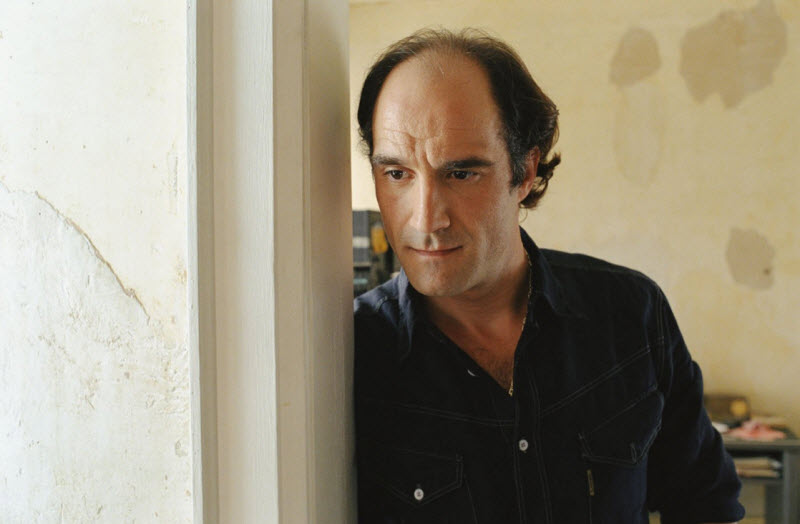
Christopher Plummer (David) Elias Koteas (Ali / Jevdet Bay) Bruce Greenwood (Clarence Ussher / Martin) Simon Abkarian (Arshile Gorky) See all » |
| Director |
 Atom Egoyan—“Chloe” |
| Producer |
|
Alliance Atlantis Communications Serendipity Point Films See all » |
| Distributor |

“A quest for truth… among lies, deception and denial.”
What condition of the heart allows a person to hate someone else simply because of his or her race or religion? Whatever triggers this deep-seated evil is no stranger today, to the twentieth century, or to the twenty centuries that preceded it.
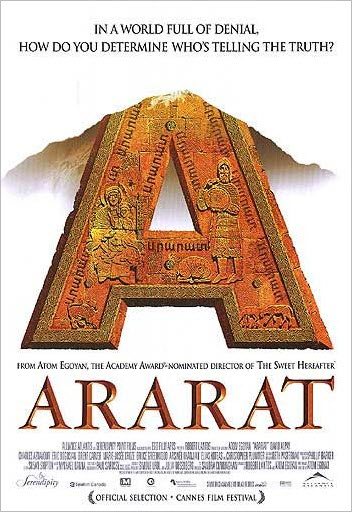
Ararat is the name of the mountain located in modern-day Turkey that is the spot upon which Noah’s Ark came to rest after the flood. The flood was a testament to Noah’s faithfulness to God and the Creator’s judgment against the evil hearts of mankind.
 What is the Global Flood?
In modern times, Ararat is the symbolic center of one of the twentieth century’s worst holocausts. The evil within the hearts of people didn’t end at Ararat, but continues into our current day. In many ways, Ararat is a symbol of the futility of man’s attempt to change the hearts of one another in any way except through the power of God.
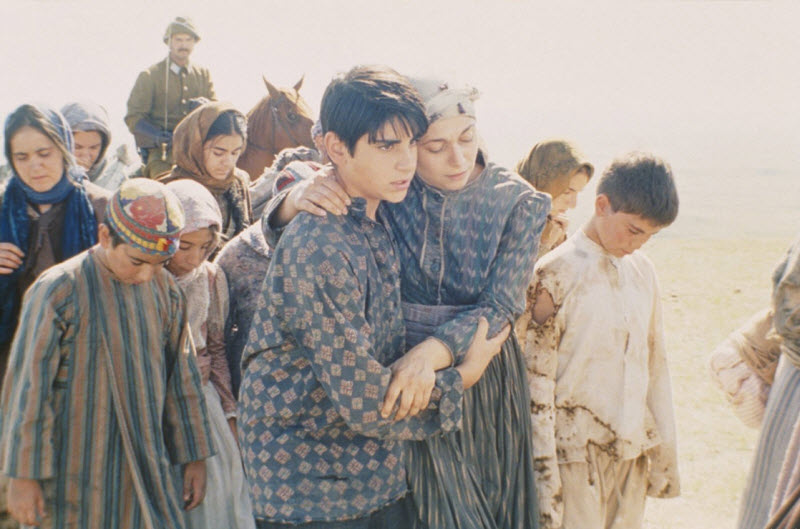
The ancient culture and civilization of the Armenians was centered around Mt. Ararat, and it was here that the “young Turks” of the Ottoman Empire slaughtered two-thirds of the world’s Armenian population between 1915 and 1918. Through forced marches, starvation, and atrocities rivaling Hitler’s annihilation of the Jews, the Christian Armenians were ethnically “cleansed” from their homeland by the military, all done in the name of religion. Armenia was the first Christian nation, having been given that honor by the Emperor Constantine in the third century when he converted to Christianity. It was from Armenia that he returned to Rome to anoint the Holy Roman Empire and to give Christianity its freedom in Rome.
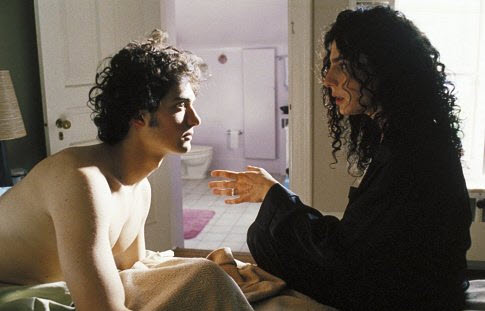
The movie “Ararat” is a film within a film. Set in modern time in Canada, a family of Armenian descent struggles with the memories of two generations of family that separates them from those who lived through the World War I holocaust. Suicide, depression, guilt for surviving, and anger towards the Turks touches every member of the family.
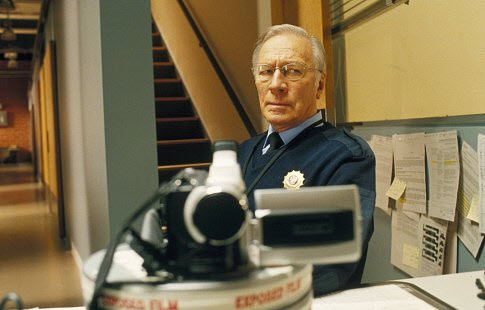
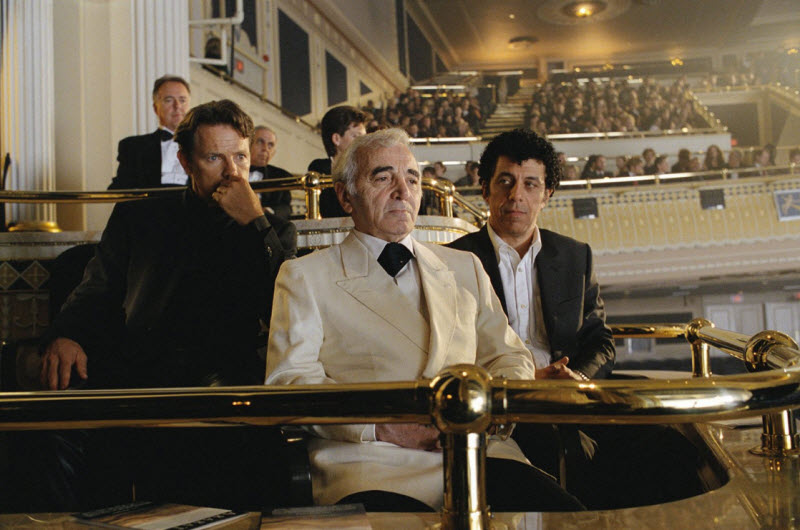
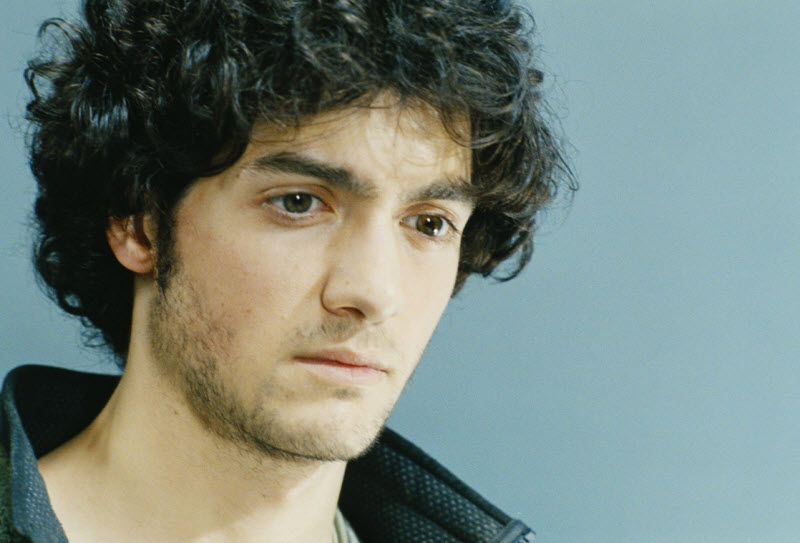
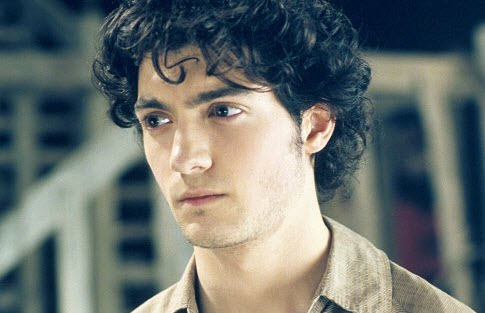
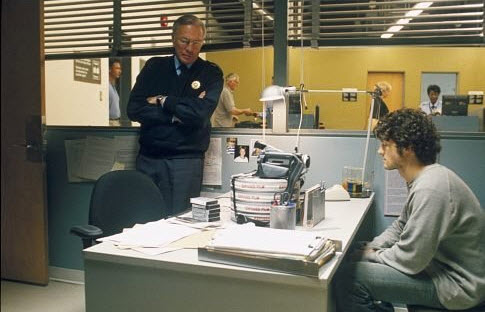
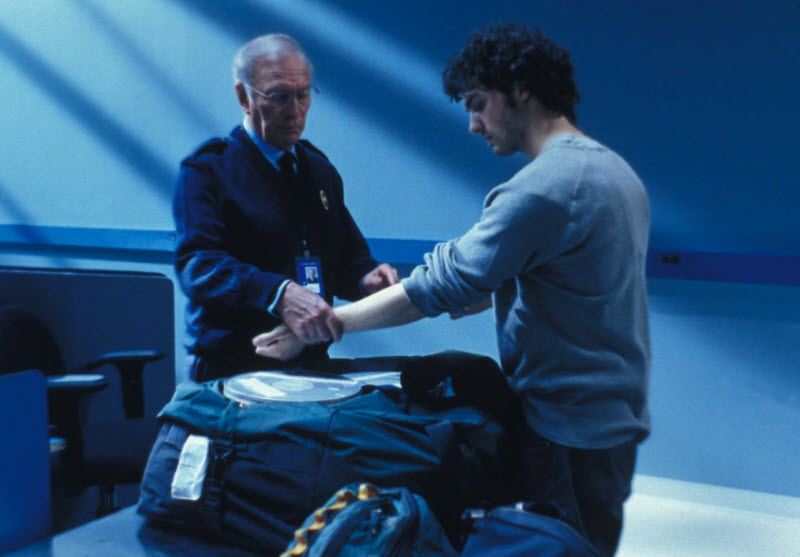
Without really understanding his history, their son Raffi (David Alpay) joins in on the making of a film about the holocaust by noted film director Edward Saroyan (Charles Aznavour). In so doing, he is catapulted back in time to relive the horrors of his great-grandparents’ generation. Profoundly altered by what he sees, Raffi decides to visit Turkey to see the ancient sites for himself. Upon Raffi’s return home, he is questioned by David (Christopher Plummer), a Customs Officer at the airport. It is in the explanation of his trip to David that three different generations of experience are witnessed on the screen. It is also a chance for David to reflect upon what hatred was doing in his own life, including his rejection of his own family.
The memories of suffering at this horrific level are all too common today, whether it be in the Middle East, Bosnia, Africa, or within the lifetimes of many African-Americans in our own country. What makes this atrocity even more grating is the fact that after 80 years the Turkish Government has never acknowledged that it happened. For healing to occur, the sin must be named. And, as painful as it is to remember, it is only through the retelling of these stories that the next generation might have a chance to avoid repeating the evils of history.
On the wall in the entrance to the Jewish Holocaust Museum in Washington, DC, there is a quote from Adolf Hitler. It reads:
“Who will remember the Jews? After all, who today remembers the Armenians?”
Discussion
- Where do you believe the permission comes to kill people of another tribe, religion or nation? Is it a societal prejudice, a religious sin or deformity of the human heart, or a combinational of these and other forces? What needs to happen for this repetitive ethnic hatred and “cleansing” to end?
- Tying the location of the Armenian holocaust to the place of God’s cleansing through the flood reveals the necessity for a deeper cleansing than that which can be accomplished through water. What do you believe the flood accomplished and why did God need to send His Son to complete this cleansing?
- Why do you believe we hear more about the ethnic murders of Jews in Nazi Germany than we do of Christian Armenians in Moslem Turkey? How does race even impact our understanding of the problem let alone the solution?
ORIGIN OF ETHNIC PEOPLE GROUPS—Where did different ethnicities come from? Answer
What are the consequences of racial prejudice and false beliefs about the origin of races? Answer
Are black people the result of a curse on Ham, as some claim? Answer

Get biblical answers to racial hot-topics. Where did the races come from? How did skin color come about? Why is it important to have a biblical foundation for such issues?
Lying in the Bible
War in the Bible
Adultery in the Bible
Should I save sex for marriage? Answer
My boyfriend wants to have sex. I don’t want to lose him. What should I do? Answer
How can I deal with temptations? Answer
How far is too far? What are the guidelines for dating relationships? Answer
What are the consequences of sexual immorality? Answer

Learn how to make your love the best it can be. Christian answers to questions about sex, marriage, sexual addictions, and more. Valuable resources for Christian couples, singles and pastors.

JESUS CHRIST—Answers to frequently-asked-questions
Is Jesus Christ really God? Answer
Archaeology—Have any burial sites been found for the people involved in Christ’s life and death? Answer
What’s wrong with being gay? Answer
Homosexual behavior versus the Bible: Are people born gay? Does homosexuality harm anyone? Is it anyone’s business? Are homosexual and heterosexual relationships equally valid?
What about gays needs to change? Answer
It may not be what you think.
Read stories about those who have struggled with homosexuality
Why are humans supposed to wear clothes? Answer
See list of Relevant Issues—questions-and-answers.

PLEASE share your observations and insights to be posted here.